The structural features of the butterfly valve
Release date:2025-08-01 14:35:09 | Click:
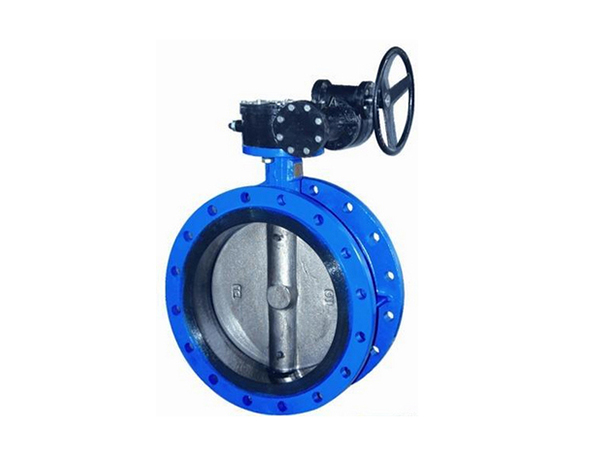
Valve body structure:
The valve body of a flanged butterfly valve is usually made through casting or forging processes to ensure sufficient strength and rigidity, enabling it to withstand the pressure of the medium in the pipeline.
The internal cavity design of the valve body is usually smooth to reduce the resistance and turbulence of the fluid within the valve body, thereby improving the flow capacity of the valve.
Butterfly plate structure:
The butterfly plate is the key component of a flanged butterfly valve, and it controls the flow of the medium by rotating around its own axis.
The butterfly plate is usually designed in a circular or elliptical shape to reduce friction with the valve seat, improving the sealing performance and service life of the valve.
The material of the butterfly plate can be selected according to the different media, such as metal, rubber coating, or polytetrafluoroethylene, etc., to adapt to different working environments.
Valve seat structure:
The valve seat of a flanged butterfly valve is usually made of elastic materials, such as rubber, polytetrafluoroethylene, etc., to ensure a good seal between the valve plate.
The design of the valve seat usually has a certain elastic deformation ability to adapt to the compression of the valve seat by the butterfly plate during rotation, thereby improving the sealing performance.
Flange connection:
The flanged butterfly valve is connected to the pipeline through the flanges at both ends. The flange connection has the advantages of simple structure, reliable sealing, and convenient installation. The standards of the flange usually follow international or national standards, such as ANSI, DIN, GB, etc., to ensure the compatibility of the valve and the pipeline.
Drive device:
The drive device of a flanged butterfly valve usually adopts manual, electric, pneumatic, or hydraulic methods to meet different control requirements. The design of the drive device usually takes into account the convenience and reliability of operation to ensure the normal operation and long service life of the valve.
Other features:
The flanged butterfly valve usually has a small volume and weight, making it easy to install and maintain. The design of the valve usually takes into account the principles of fluid dynamics to reduce fluid resistance and noise. The valve can also be subjected to anti-corrosion treatment as needed to adapt to harsh working environments.